

|
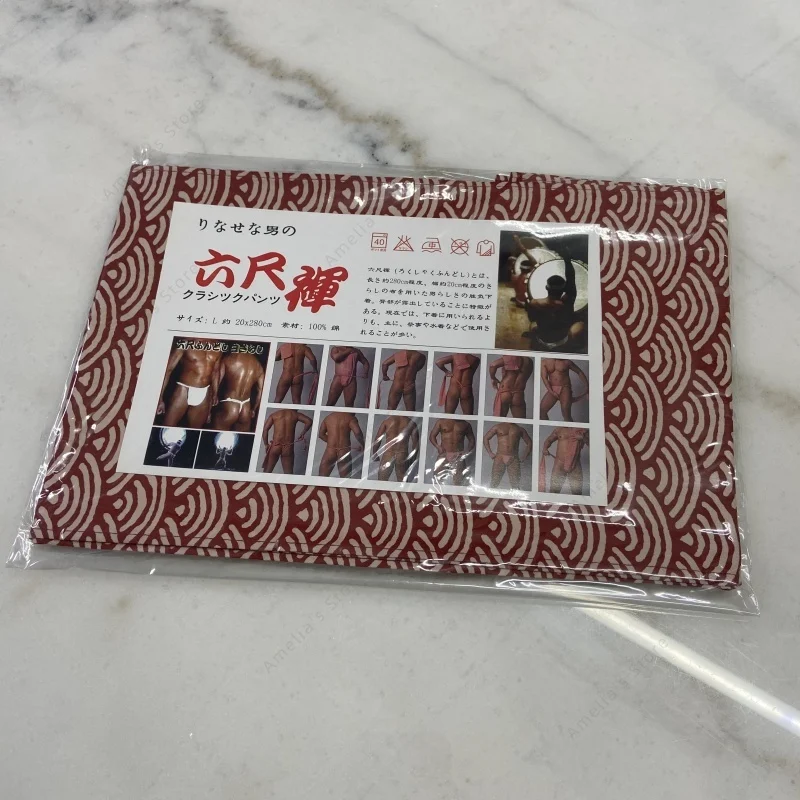
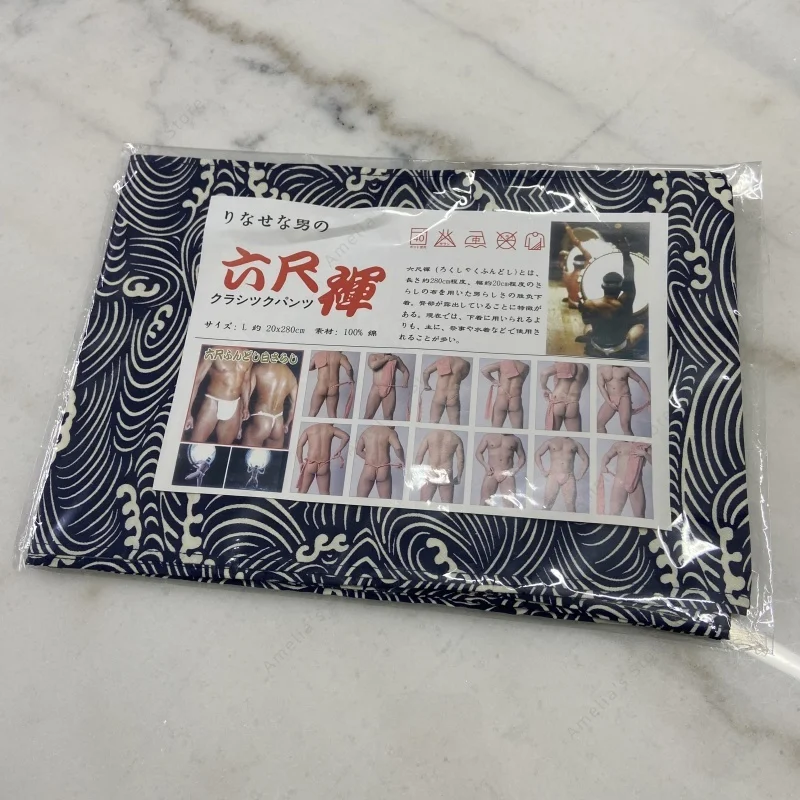
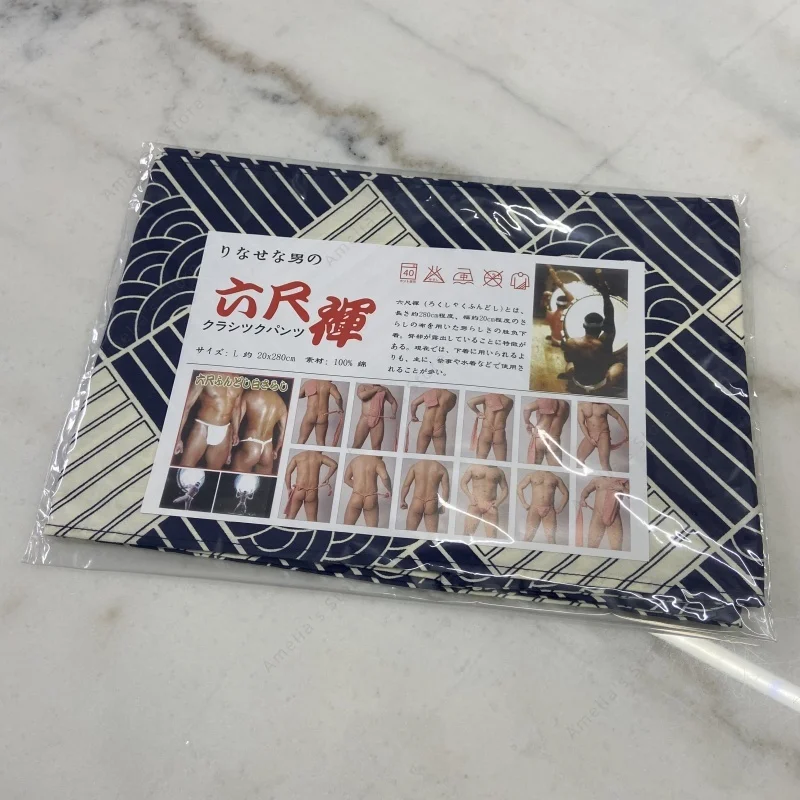
Traditional Japanese Undergarment for Males Kimono Underwear Rokushaku Fundoshi Loincloth Thong Accessories Cosplay Festivals and Cosplay as Tarzan, Korak or a Native
Description
SPECIFICATIONS
Brand Name: NONE
CN: Zhejiang
Gender: Men
High-concerned chemical: None
Item Type: Asia & Pacific Islands Clothing
Material: COTTON
Origin: Mainland China
Special Use: Traditional Clothing
Type: KIMONO
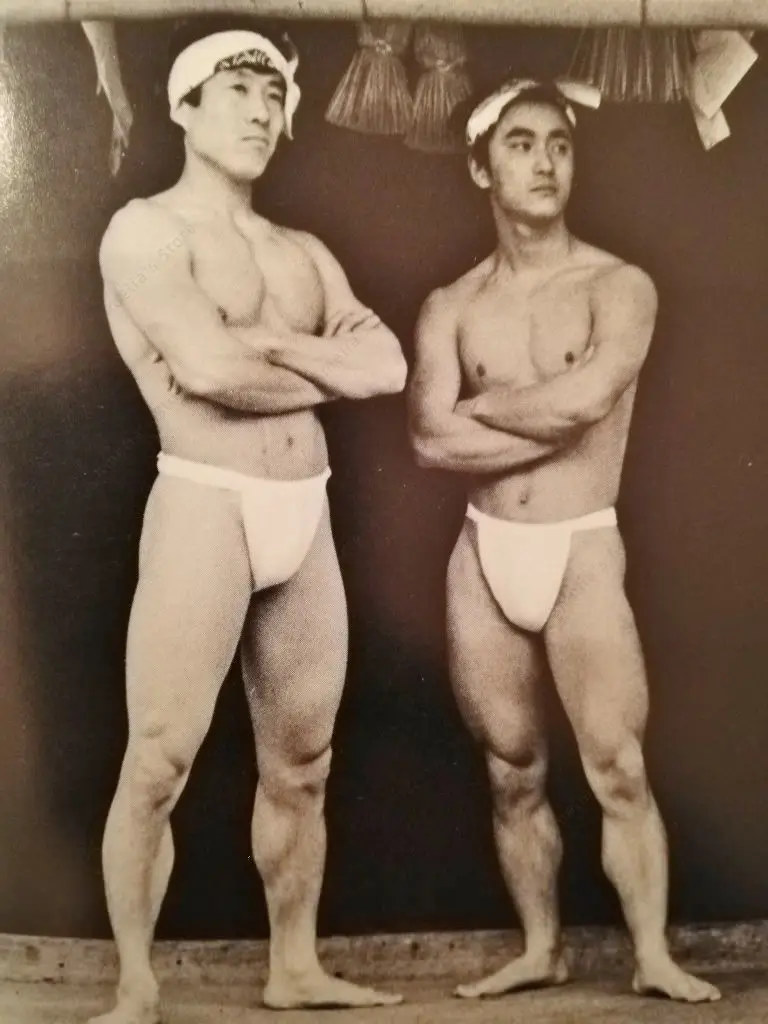
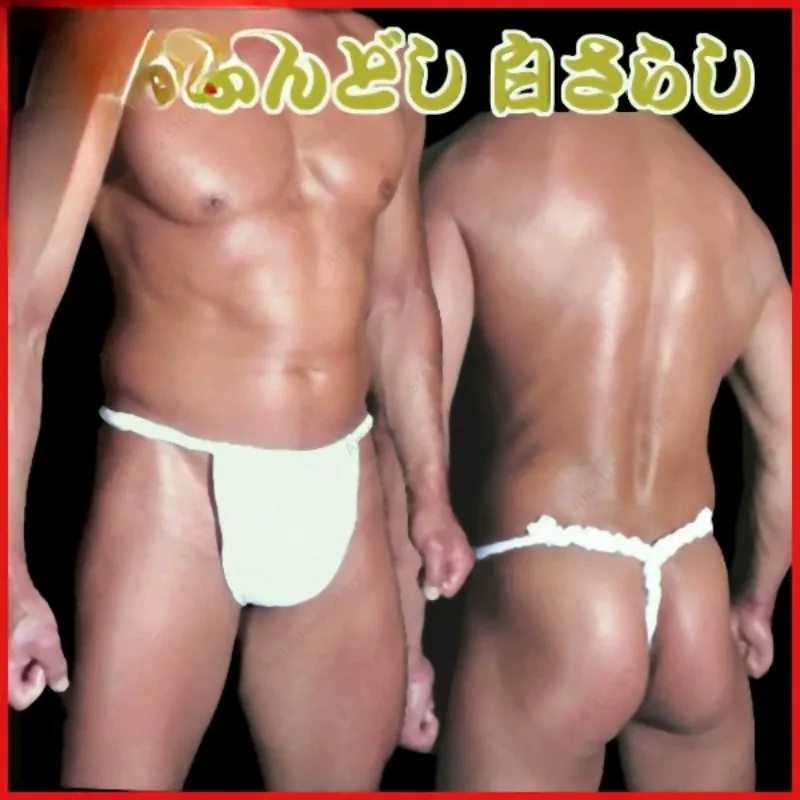
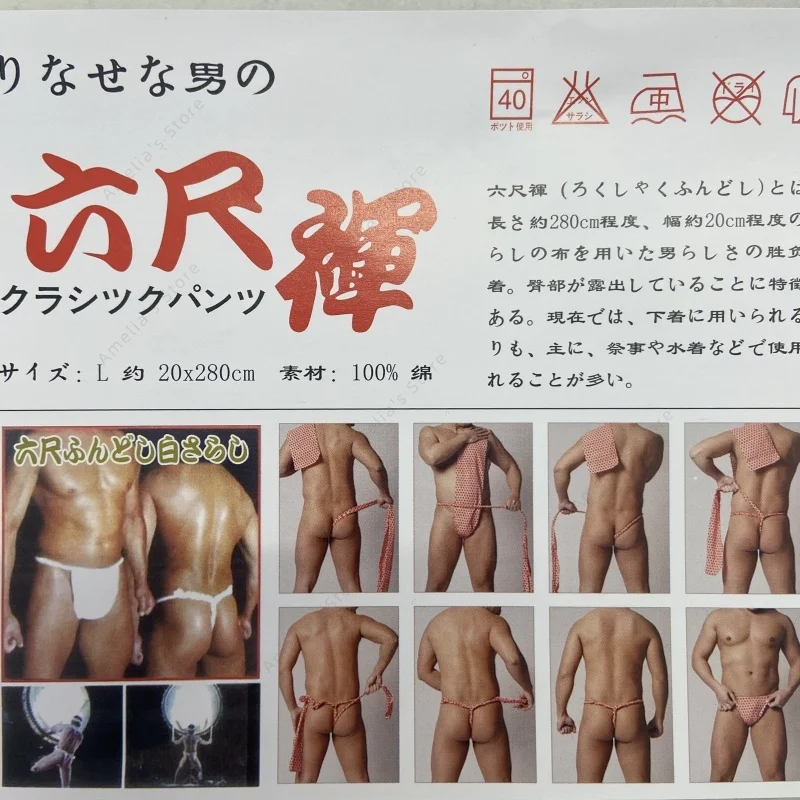
The Fundoshi can be considered one of the oldest garments of Japan, as there is evidence of Fundoshi being worn during prehistoric times. There is mention of the Fundoshi in the Nihon Shoki (Nihongi), which is the second-oldest book of classical Japanese history. Haniwa clay figures from the Kofun Period (300-538 c.e.) are also depicted wearing Fundoshi. Traditionally, there are three types of Fundoshi; Rokushaku, Etchu, and Mokko Fundoshi. The Rokushaku is the oldest design of the Fundoshi, and its name refers to the measurement of the garment. One "shaku" is about 30cm, so Rokushaku means six "shaku" or 180cm. The Rokushaku version of the Fundoshi is also the most recognized version of the garment. The Etchu style of Fundoshi originated in Toyama Prefecture Japan. This version of the undergarment was widely popular with samurai, as it could serve as absorbent bandaging, and was even worn into the mid-20th century, until the popularization of Western style underwear. Etchu Fundoshi can be distinguished by the apron-like front of the garment. It is especially popular in areas if Japan that are particularly hot and humid. Lastly, the Mokko Fundoshi is regarded as the most modern form of the garment. The garment was primarily worn by workers during the Edo period, and derives its name from a tool used for construction. The shape of the Mokko Fundoshi resembles that of modern Western underwear.